
In today’s digitally-driven world, online security has become a top priority for individuals and businesses alike. Cyber threats, data breaches, phishing attacks, and identity theft are increasingly common, making it essential to safeguard sensitive information. One of the most effective tools for enhancing digital security is a number for SMS. This simple yet powerful tool helps protect personal and business accounts, ensure safe online transactions, and maintain privacy across multiple platforms. By providing a secure channel for receiving verification codes, alerts, and sensitive messages, a number for SMS has become a critical component of modern digital security strategies.
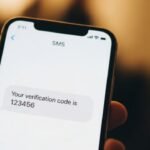
A Number for sms serves as a dedicated line for receiving one-time passwords (OTPs), confirmation codes, and other verification messages. Many online platforms, including social media networks, e-commerce websites, financial institutions, and cloud services, require SMS-based verification to authenticate users. By using a dedicated number, individuals can separate these security communications from their primary phone line, reducing the risk of exposing personal information to hackers, spammers, or phishing schemes. This separation ensures that critical security codes remain confidential and are less vulnerable to unauthorized access.
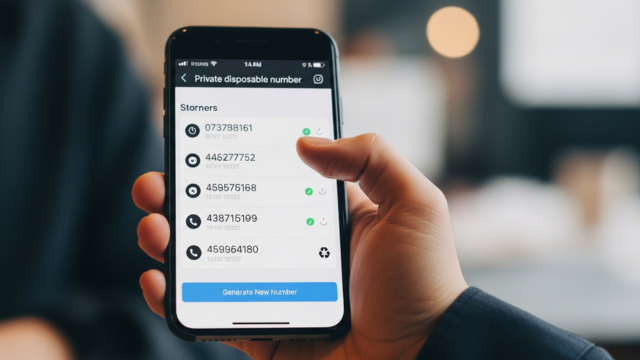
Privacy protection is one of the primary security benefits of a number for SMS. Personal phone numbers are often shared with multiple online services, increasing the risk of unwanted messages, spam, and potential data leaks. A dedicated SMS number acts as a shield, allowing users to provide a secure line for verification without revealing their main contact information. Many services offer disposable or temporary numbers, which can be used for short-term tasks like account registration or online transactions. Once the task is complete, the number can be discarded, leaving no permanent trace of sensitive information. This approach significantly reduces the risk of personal data exposure while maintaining online functionality.
A number for SMS also strengthens account security by reducing the impact of cyberattacks. Hackers often target phone numbers to intercept verification codes or launch SIM-swapping attacks, which can compromise accounts and steal sensitive information. Using a dedicated number for SMS verification provides an additional layer of protection. Even if a hacker gains access to the primary phone number, the dedicated verification number remains secure, preventing unauthorized entry into online accounts. For businesses handling confidential client data or financial transactions, this extra security layer is crucial for maintaining trust and compliance.
Businesses and enterprises benefit immensely from adopting a number for SMS for security purposes. Organizations that rely on customer authentication, employee verification, or sensitive communications can manage verification messages through dedicated numbers. This separation ensures that business-critical information remains secure, and internal processes are not disrupted by spam or unrelated messages. A centralized system for receiving verification codes enhances operational efficiency while protecting company data from external threats. Enterprises can also use multiple numbers for different departments or functions, ensuring that each line is secure and managed independently.
Another way a number for SMS enhances digital security is by supporting two-factor authentication (2FA) and multi-factor authentication (MFA) systems. These systems require users to provide a second form of verification in addition to their password, such as a one-time code sent via SMS. Using a dedicated number ensures that these codes are received safely and promptly, reducing the risk of unauthorized access. By implementing a dedicated verification number, individuals and businesses create a robust security framework that protects accounts against common online threats.
Scalability and flexibility make a number for SMS an ideal solution for both individuals and large organizations. Users can acquire temporary, long-term, or international numbers depending on their needs. This flexibility is particularly beneficial for companies with a global presence, allowing them to authenticate users from different countries without requiring physical SIM cards or local phone lines. The ability to scale verification numbers according to business growth or seasonal demand ensures continuous protection for users and customers alike.
Cost-effectiveness is another advantage of using a number for SMS for security purposes. Traditional mobile plans may charge extra for international messages, additional lines, or high-volume SMS usage. Virtual SMS numbers provide a more affordable solution, offering subscription-based or pay-as-you-go options that suit various budgets. Organizations can implement dedicated numbers for security verification without significant additional costs, making digital protection accessible to businesses of all sizes and individuals seeking enhanced privacy.
Integration with digital tools and systems further enhances the security benefits of a number for SMS. Many platforms allow users to receive and manage messages through web interfaces, mobile apps, or enterprise dashboards. This centralization enables real-time monitoring, quick response to verification requests, and the ability to track suspicious activity. Organizations can also use these numbers to automate security alerts, ensuring that critical messages reach the right recipients promptly and reliably.
In conclusion, a number for SMS is a highly effective tool for enhancing digital security. It provides privacy protection, strengthens account authentication, supports two-factor and multi-factor authentication, and helps prevent unauthorized access to sensitive information. Both individuals and businesses can benefit from using dedicated numbers to manage verification codes, OTPs, and other security-related messages, ensuring safer digital interactions. As cyber threats continue to evolve, adopting a number for SMS is a simple yet powerful strategy for maintaining online security, safeguarding personal and business data, and building trust in the digital world.